UNDERSTANDING SOVEREIGN AI
EU hosting is an important building block, but not always the whole answer.
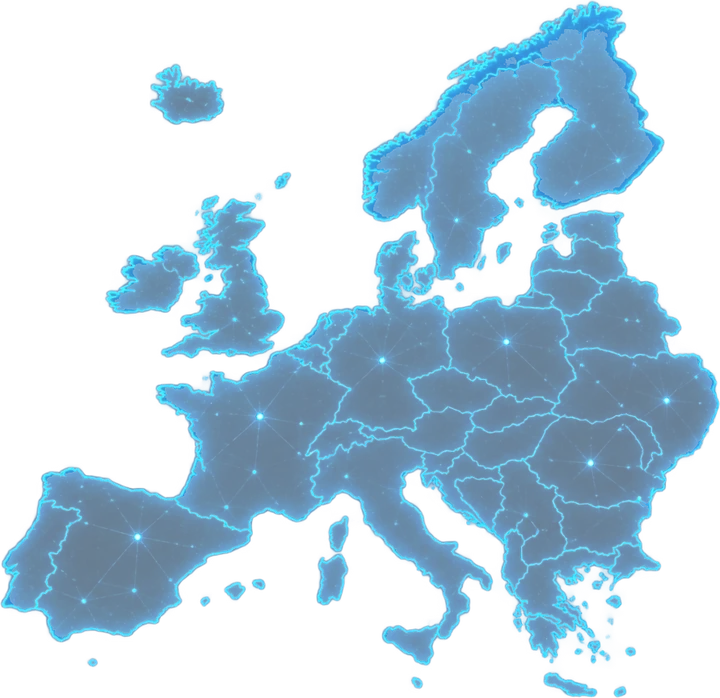
Platforms like Microsoft Foundry (formerly Azure AI Foundry) let you build demanding AI applications in European regions, with EU data boundaries and regional deployment options. Its catalogue is not limited to American models either.
Which sovereignty requirements that meets depends on the model, the configuration, the vendors involved, and the legal and operational control you keep. An American model in a European data centre is still an American vendor's model. That can be the right solution. It is not automatically the same as digital sovereignty:
- The vendor stays subject to US law, the CLOUD Act among it, for data in European data centres too.
- Weights, updates, prices and deprecations stay with the vendor.
- Depending on the deployment type, processing can take place outside the EU.
- Prompts, evaluations and integrations are tied to the model, so a switch means rework.
It works the other way round too: a European open-weight model is not sovereign by origin alone if the application calls external services unchecked, passes on sensitive data, or depends on a single operator.
Product and architecture profiles, not legally certified sovereignty classes.
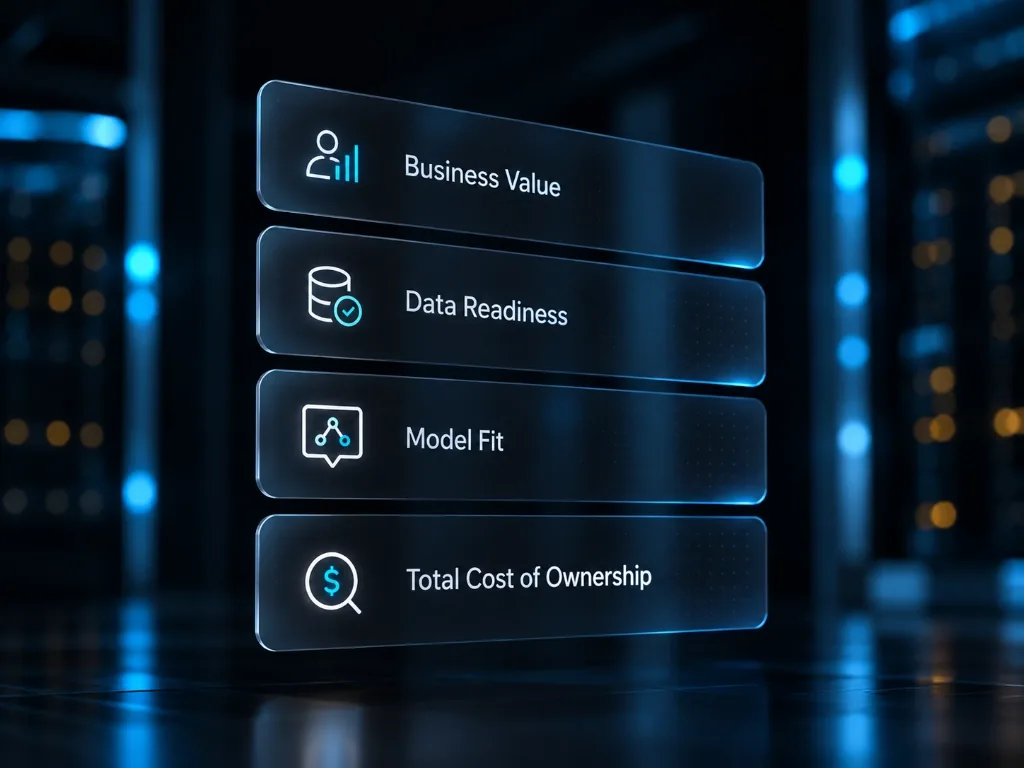
Not every AI product has to be built as sovereign as possible. It needs the right degree of sovereignty for its use case, and the remaining risks made visible. Our guiding question is not
“Is this AI sovereign?”
“Which control does this product need, and how do we put it in place effectively and economically?”